


What Is 3D Facial Treatment? Benefits, Procedure, Results and Aftercare
Skin can start to look tired, dull, or uneven for all sorts of reasons — sun exposure, stress, pollution, or simply the passage of time. That’s why more people in Dubai are turning to advanced, non-invasive facial treatments to refresh their skin’s appearance rather than relying on drastic interventions. One treatment that comes up often in these conversations is 3D facial treatment. If you’ve been searching for what it actually involves, this guide walks you through the essentials — from how it works to what to expect afterward. At Iwona Specialty Clinic in Dubai, treatments like this are approached as part of a personalized skincare plan, tailored to each patient’s individual concerns.
What Is 3D Facial Treatment?
3D facial treatment refers to a category of advanced facial procedures designed to address multiple visible skin concerns at once — think texture, tone, radiance, and the appearance of fine lines — rather than focusing on just one issue in isolation. The “3D” in the name generally points to a multi-dimensional approach: working on the skin’s surface, deeper layers, and overall contour together, instead of treating each layer separately.
It’s worth noting that 3D facial treatment isn’t a single, universally standardized procedure. Techniques, tools, and protocols can vary from clinic to clinic, which is why the exact steps you’ll experience depend on where you go and what your skin actually needs. This is generally offered as part of a broader, personalized aesthetic plan rather than a one-size-fits-all fix.
How Does 3D Facial Treatment Work?
In simple terms, 3D facial treatment typically combines a few complementary techniques — which might include exfoliation, hydration, targeted device-based technology, or skin-boosting products — to work on the skin from multiple angles during a single session.
The specific devices, products, and sequence of steps used can differ significantly depending on the clinic’s protocols and what a patient’s skin assessment reveals. This is precisely why a professional consultation matters so much before beginning any treatment: it allows a practitioner to evaluate your skin type, concerns, and goals, and to recommend an approach suited to you rather than a generic routine.
Benefits of 3D Facial Treatment
While individual results vary, people who consider 3D facial treatment are often looking for improvements such as:
- Improved skin appearance — a more refreshed, revitalized look overall
- Skin rejuvenation — support for skin that looks tired or lacking vitality
- Enhanced skin radiance — a brighter, more luminous complexion
- A more even-looking skin texture — softer, smoother-looking skin
- Improved appearance of fine lines — a reduction in how pronounced early signs of aging may look
- A personalized treatment approach — a plan built around your specific skin profile rather than a standardized routine
It’s important to approach these benefits with realistic expectations. A qualified practitioner can explain what may help with the appearance of your skin, and results are never guaranteed the same way for every individual.
Who Can Consider 3D Facial Treatment?
People generally explore facial rejuvenation treatments like this when they notice dullness, uneven texture, early fine lines, or simply want to maintain healthier-looking skin. Common concerns evaluated during a consultation might include hydration levels, pigmentation, texture irregularities, or loss of radiance.
Suitability isn’t one-size-fits-all. It depends on your skin type, specific concerns, medical history, and treatment goals — all of which should be discussed openly with a practitioner before any procedure is planned. This is also the stage where any allergies, sensitivities, or prior treatments should be shared, so the plan can be adjusted accordingly.
What Happens During a 3D Facial Treatment?
While exact steps vary by clinic, a typical visit generally follows a structure like this:
- Consultation and skin assessment — understanding your skin concerns and goals
- Treatment planning — designing an approach suited to your needs
- Skin preparation — cleansing and preparing the skin for treatment
- Facial treatment — the actual multi-step procedure, based on your plan
- Post-treatment care — soothing and protecting the skin immediately afterward
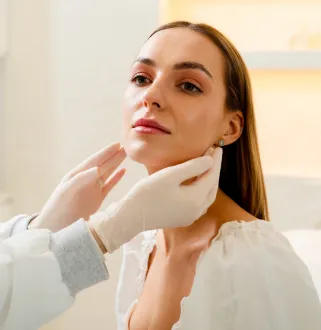
The specific technologies, products, session duration, and number of sessions required should always be confirmed directly with the treating clinic, since these details are tailored to each patient
3D Facial Treatment Results
Many people want to know how soon they’ll notice a difference. In general, some improvements in the appearance of skin radiance or texture may become noticeable relatively soon after a session, though this varies from person to person.
For more visible or longer-lasting improvements, some individuals may need multiple sessions as part of an ongoing treatment plan. Results are influenced by factors like skin type, lifestyle, and how closely aftercare recommendations are followed — so it’s best to discuss a realistic results timeline with your practitioner rather than expecting identical outcomes to what you may have seen elsewhere.
3D Facial Treatment Before and After
When evaluating results, most patients are looking for a general improvement in how their skin looks and feels — smoother texture, more even tone, and a healthier glow — rather than a dramatic transformation. It’s worth remembering that facial treatments like this are generally about enhancing your skin’s natural appearance, not offering permanent or irreversible change.
Setting realistic expectations during your consultation is one of the most useful things you can do. A practitioner can explain, based on your specific skin, what kind of before-and-after difference might be reasonable to expect.
3D Facial Treatment Aftercare
Proper aftercare plays a meaningful role in how your skin responds following treatment. General guidance often includes:
- Following your clinic’s specific aftercare instructions closely
- Protecting your skin from excessive sun exposure
- Using any skincare products recommended by your practitioner
- Avoiding potentially irritating products unless your practitioner has approved them
- Respecting any specific restrictions provided for your recovery period
Because skin sensitivity and recovery needs differ from person to person, always defer to the instructions given directly by your treating professional rather than general advice found online.

Is 3D Facial Treatment Safe?
Safety depends largely on the specific technique used, the practitioner’s expertise, and your individual skin profile. As with many facial procedures, some people may experience temporary redness, sensitivity, swelling, or irritation, depending on the approach taken and their skin’s response.
A thorough professional assessment before treatment helps identify any factors that might affect suitability or safety. If you’re considering 3D facial treatment, it’s worth having an open conversation with a qualified practitioner about your medical history and any concerns you may have.
How to Choose a Clinic for 3D Facial Treatment in Dubai
With so many aesthetic clinics operating across Dubai, a few factors can help guide your decision:
- Qualified practitioners with relevant training and experience
- Thorough professional consultation before any treatment begins
- Clear clinic standards for hygiene and patient care
- Personalized treatment planning rather than generic packages
- Transparent information about the procedure, expected outcomes, and any risks
- Proper aftercare and follow-up support after your session
Iwona Specialty Clinic in Dubai is one option patients consider when looking into facial rejuvenation treatments, with an approach built around individual consultation and personalized planning.
FAQs
It’s an advanced facial approach that aims to address multiple visible skin concerns — such as texture, radiance, and tone — together as part of a personalized treatment plan.
Potential benefits include a more refreshed appearance, improved skin radiance, a more even-looking texture, and support for the appearance of fine lines, though results vary by individual.
It typically combines several complementary techniques in one session, with the exact approach depending on the clinic’s protocols and your skin assessment.
Session length varies by clinic and treatment plan — your practitioner can confirm the expected duration during consultation.
No treatment can guarantee permanent results. Improvements in appearance are generally temporary and may require maintenance sessions.
This depends on your individual skin concerns and goals, and is best determined through a personalized consultation.
Suitability depends on individual skin type, concerns, and medical history, which is why a professional assessment is recommended before treatment.
Follow your clinic’s specific aftercare instructions, protect your skin from sun exposure, and use only the products your practitioner recommends.
Several aesthetic clinics in Dubai offer facial rejuvenation treatments, including Iwona Specialty Clinic, where treatment plans are built around individual consultation.
Conclusion
If you’re curious whether 3D facial treatment could suit your skin, the best next step is a personalized consultation. The team at Iwona Specialty Clinic in Dubai can assess your skin and talk you through an approach tailored to your goals — no guesswork, no generic routines, just a plan built around you.

Iwona Clinic Team
Enjoying the journal?
Join our newsletter for fresh thinking, delivered once a month. No spam, ever.
Subscribe to our newsletter